
Fujifilm vs Sony vs Leica (Real World Perspective)
Fujifilm, Sony, and Leica. These are, what I believe, the most popular brands in the photography world today. They are also the most polarising, with each having a die-hard group of supporters who will argue till your ears bleed about why their brand is better.
Over the last year, I’ve been using these extensively, and I’m now in a position where I can share my opinion on which one is best. If you’ve been on the fence about these brands, I hope this blog can help. Spoiler alert, there isn’t one best camera. Each one is better or worse in specific tasks and use cases.

Let’s start with some housekeeping to make sure we’re on the same page. I have no affiliations or partnerships with any camera brand, and I purchased all the cameras myself with my own money. I also have no interest in becoming best mates with these brands in order to get free gear. With that in mind, what I will share is my honest, unfiltered opinion. In this blog, I will talk about the cameras I personally own; however, it will be more of a general brand discussion as opposed to these specific models, although they will also come into the picture. Finally, I am not a fanboy of any specific brand. To me, they are tools and not an extension of my personality.

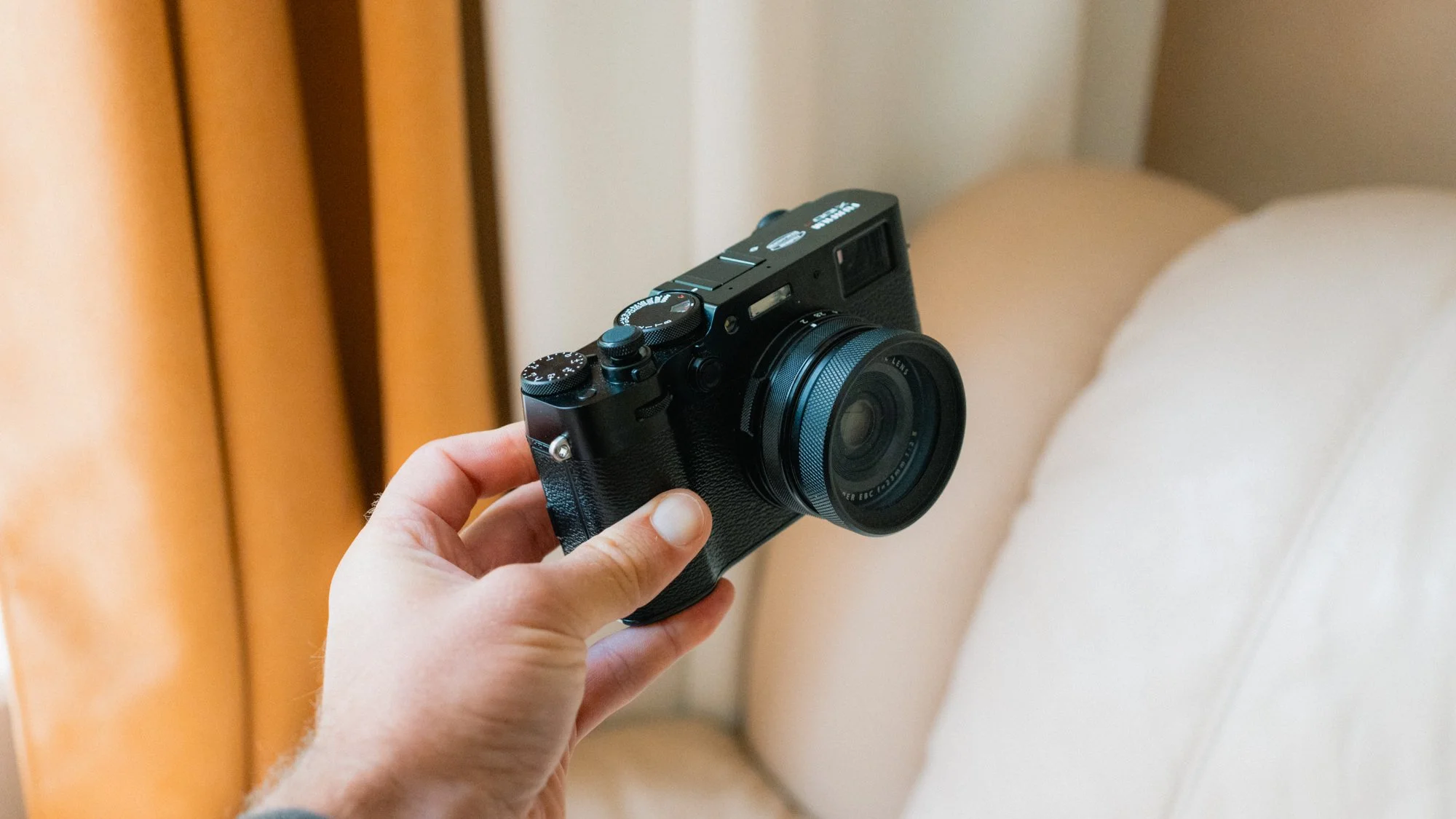
Fuji
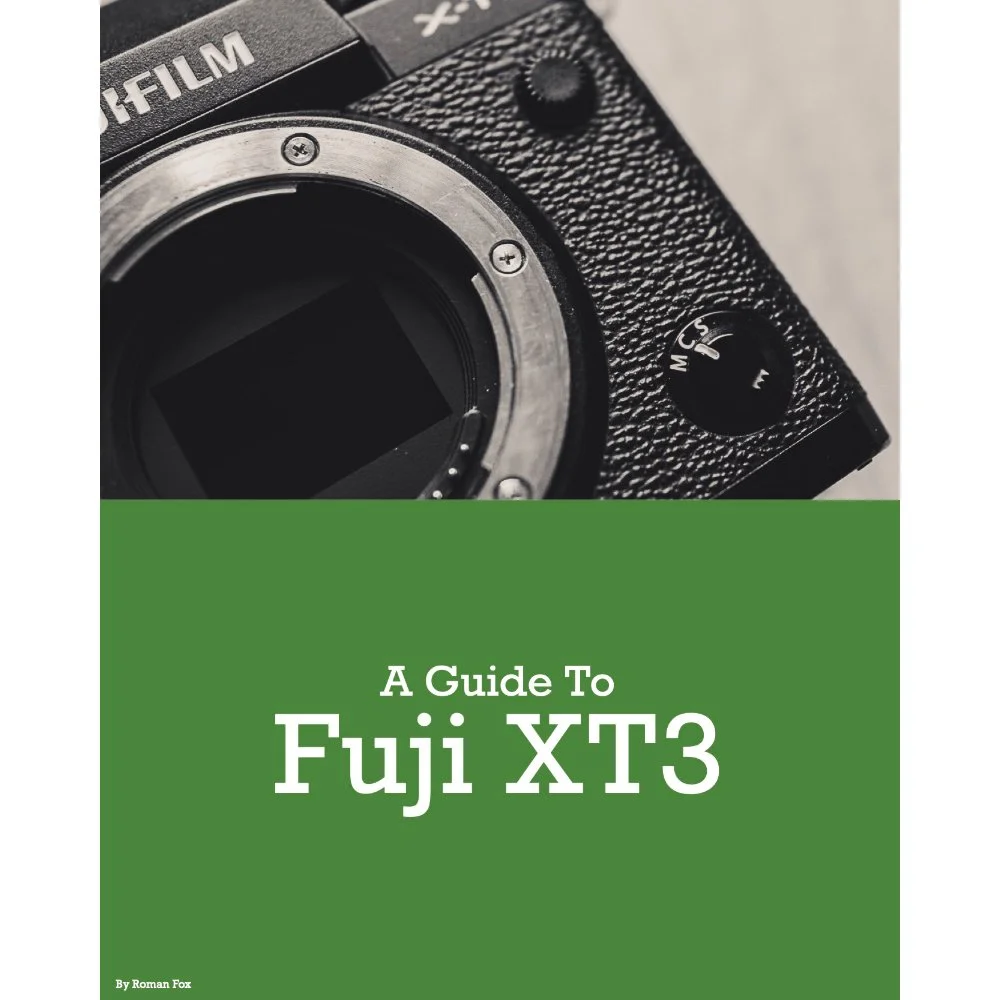
This is the brand I know the best and have been using for the last seven or so years. I started my photography journey with Fujifilm and up until the end of last year, I used Fuji exclusively. Fujifilm’s strong point is getting people into photography. The cameras are very approachable and have an almost playful nature to them. The JPEG files are the best in the business and even the colours in the RAWs are very easy to edit. On the whole, the sensors are pretty much the same, so you will get a great image regardless of which body style you go for.

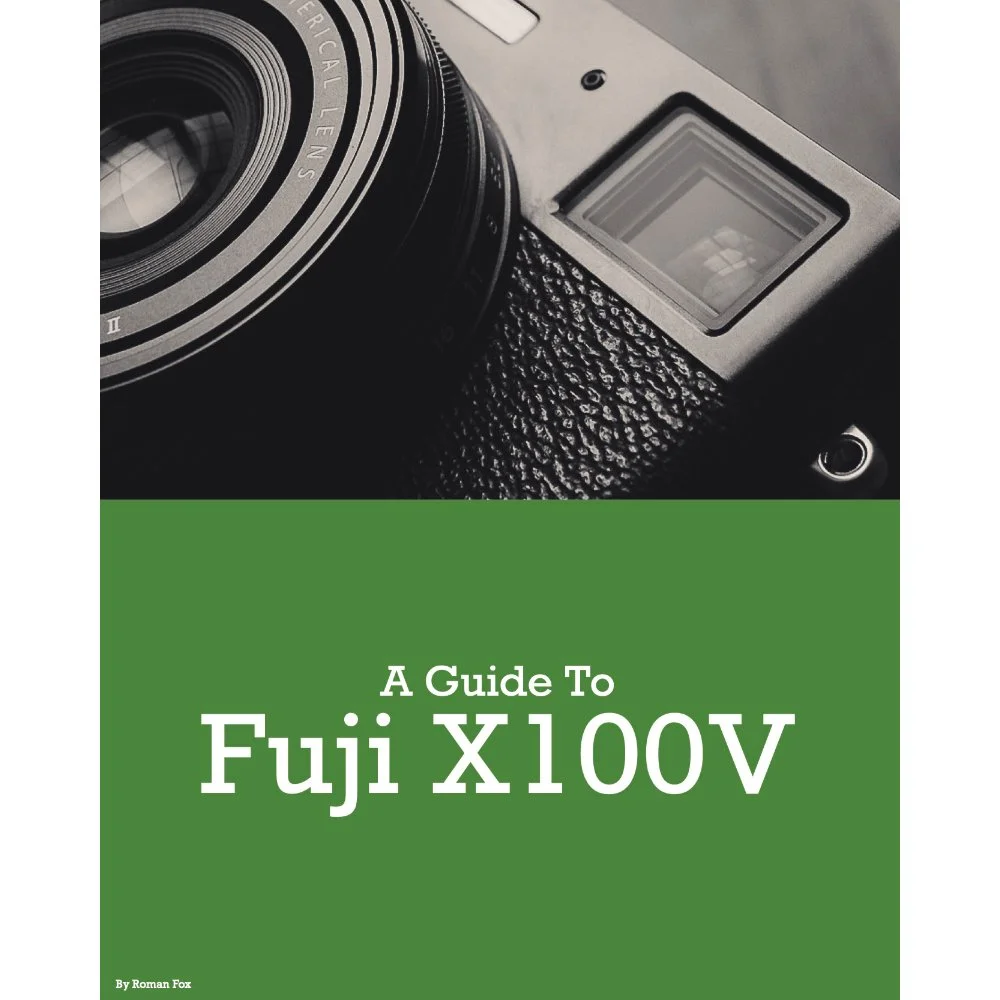
They also offer the widest variety of bodies. From rangefinders, DSLR style, and even pocketable point-and-shoots. If you love a more hands-on approach, then the retro-styled XT series will have you covered. If you avoid their top-of-the-range lenses and bodies, you can pick up a very small and affordable camera to get you going.

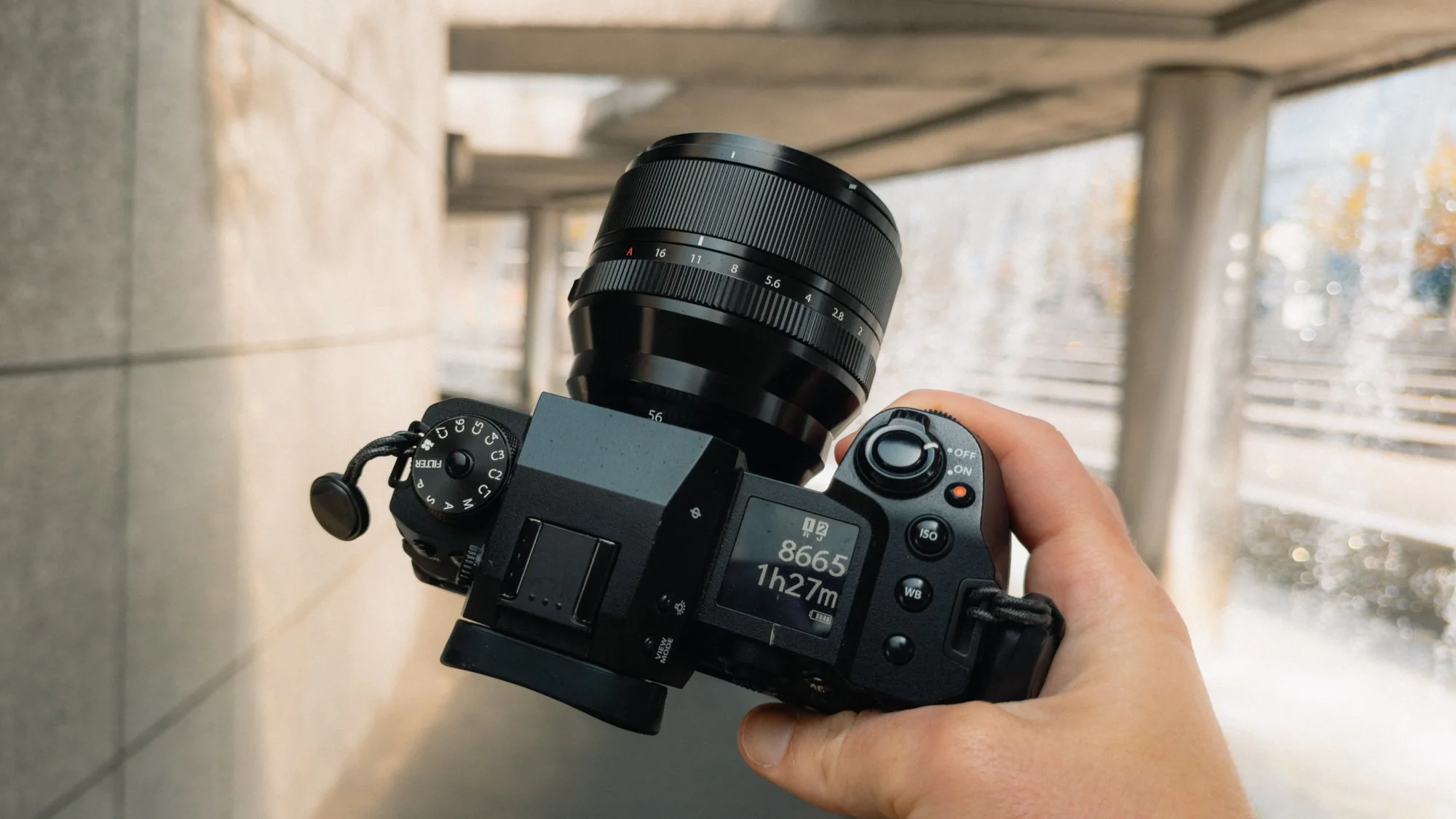
Where Fuji falls short is the moment you start buying their top-of-the-range gear aimed at more pro-level users. I’m talking about the XH line of cameras along with the fastest lenses. In most cases, these cameras aren’t good value, they aren’t that compact, and they are miles behind the likes of Sony when it comes to tech and performance.
Leica
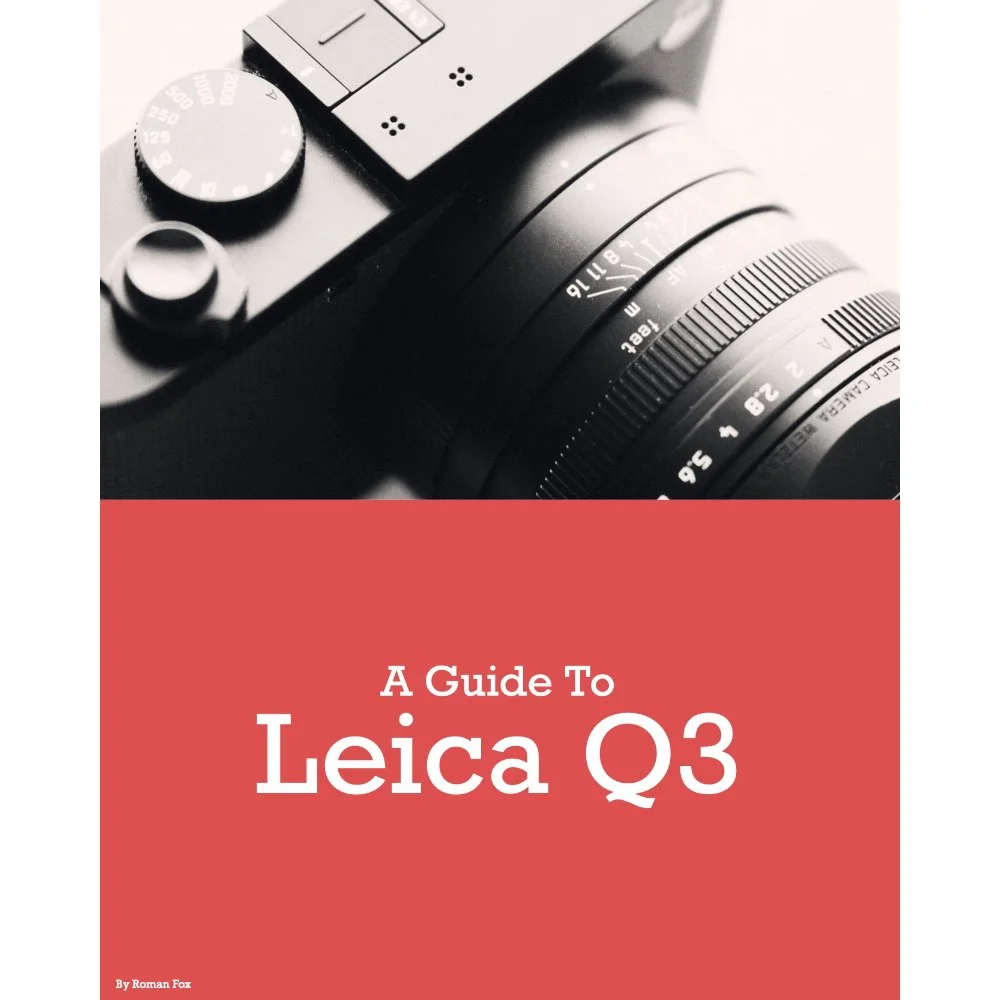
This is the brand I was the most skeptical about. The price tag is insane, and the biggest selling point always seems to be the history, heritage, luxury build, and exclusivity. I purchased my Q3 43 about nine months ago in order to understand what the fuss is about and overall had a very love-hate relationship with this camera. The build quality is the best of any brand by a mile. Even compared to the likes of Hasselblad, the Leica feels better. The Q3 feels like a tank. It’s the type of camera you can throw around your shoulder, bash it into things, get it soaked in a downpour, and then get it covered in sand for good measure. Yet, it will work every single time. The fact that it’s one of the very few cameras that comes with an actual IP water resistance rating goes a long way to solidify this.

The lens is incredible and easily one of the best pieces of glass I have used. The image quality and user experience are both outstanding, but this isn’t a surprise. It’s a camera that you want to pick up, use, get it covered in scratches, and take it with you every time you go.
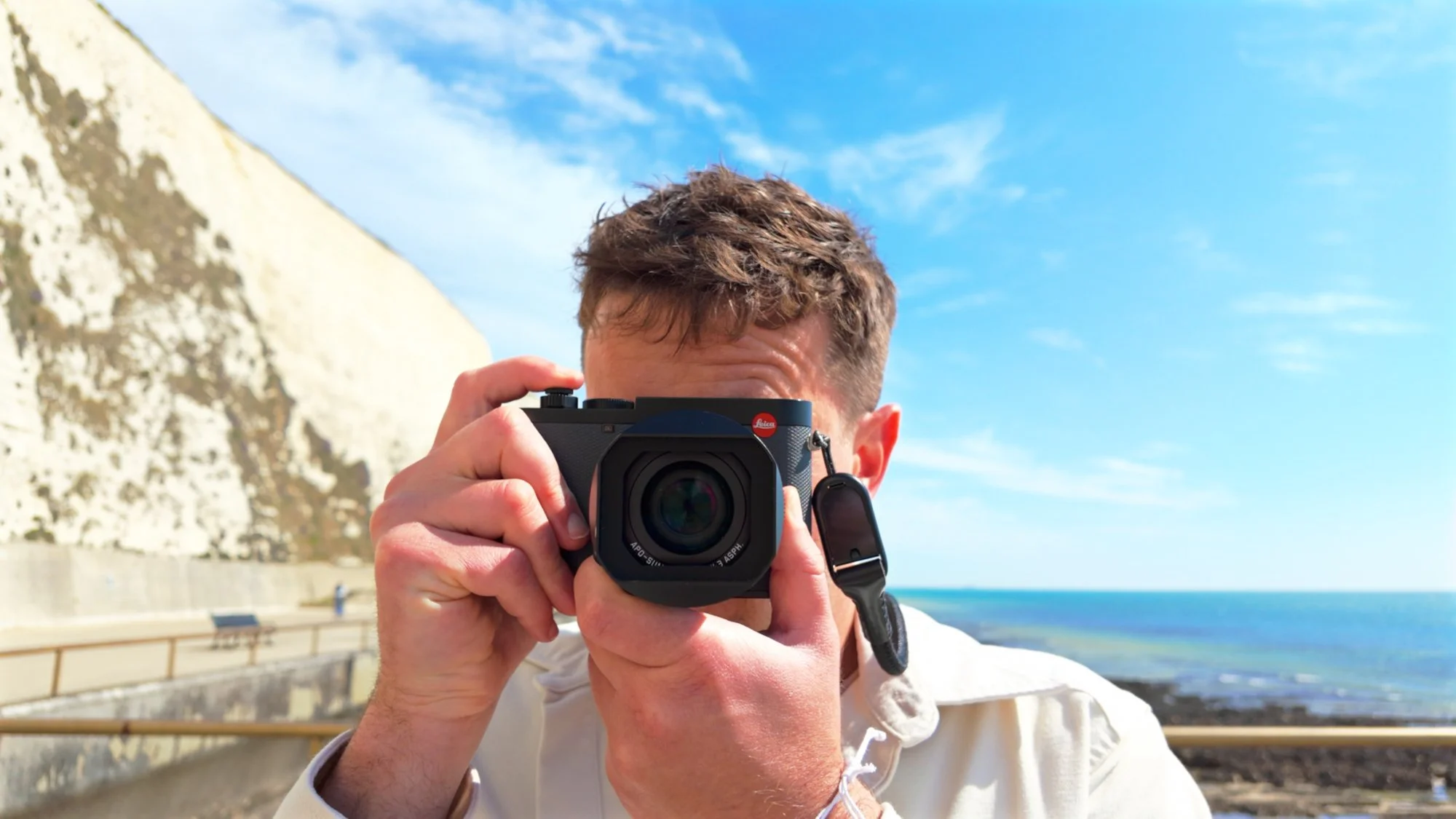
Where this camera falls short is the software and basic things like startup time, AF performance, and random bugs (although these eventually get fixed in firmware). Sometimes it can take up to 5+ seconds for it to switch on, which is a joke for such an expensive camera. I took it to a Leica store, and they confirmed normal operation. The autofocus feels like it belongs in 2015. While it’s good and for many people it will be fine, it’s £750 good, not nearly 6 grand.

Another observation is just how much attention this camera gets. Quite a few times people would stop me and compliment me on how cool the camera is. While some love a little ego boost, I personally would rather not attract attention, as with good attention also come bad. When this camera works, it’s fantastic; however, when you start to miss shots due to the piss-poor AF or the slow start-up times, you start to question why you spent so much money on it. The Q3 involves you more into the process of photography, which can be good or bad.

Sony
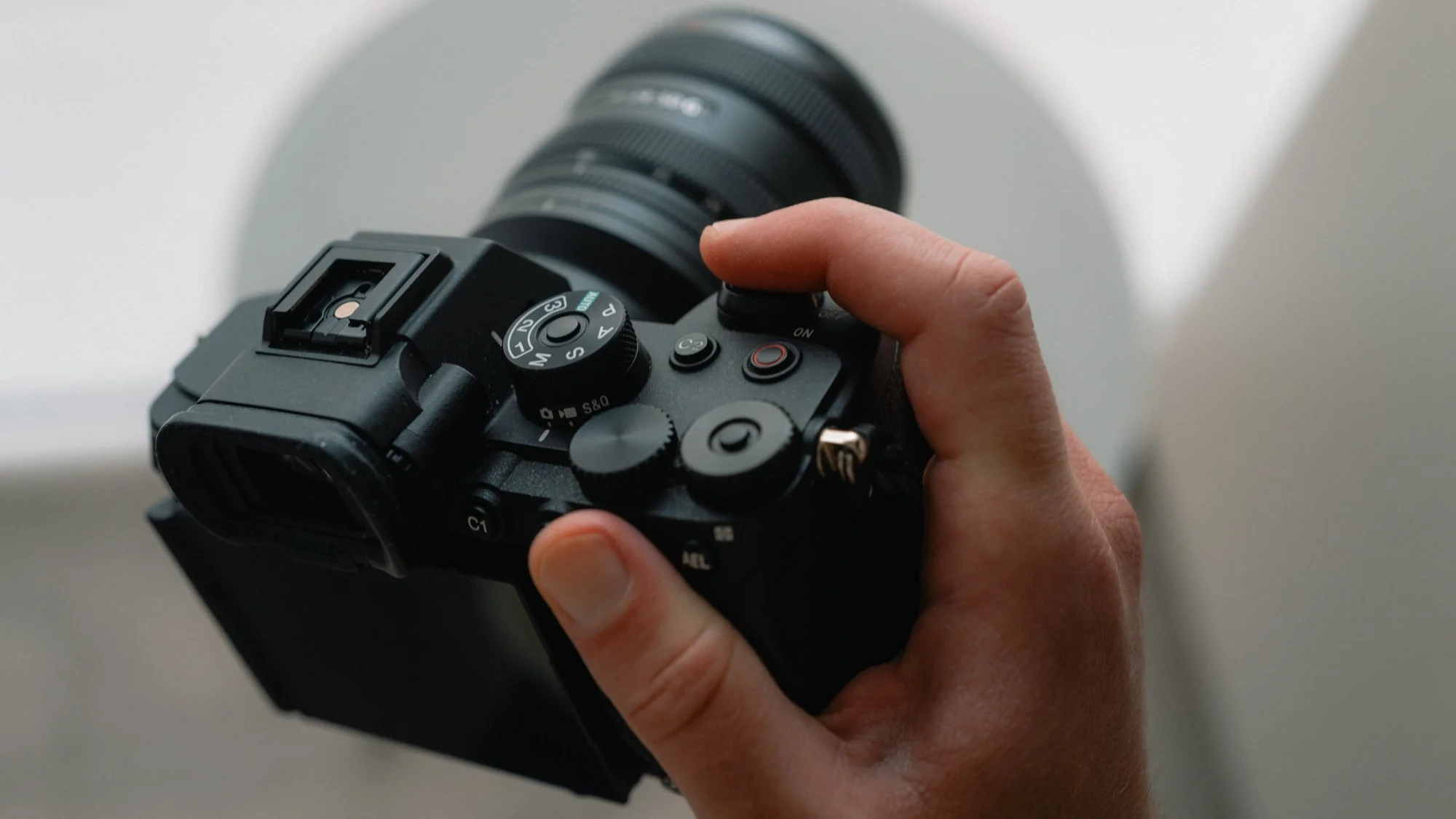
On the other end of the scale, you have Sony, a system that’s designed to get the job done, not make you feel special or “inspired”. In late 2024, I switched my main workhorse set-up from Fuji to Sony for this very reason. I wanted a camera that worked every single time, and both my A7R and A7C deliver in that regard. They switch on instantly, they don’t freeze, the AF is powered by witchcraft, and they get the job done without any drama. Does it make them boring? For some yes, for me no.

The ecosystem as a whole is by far the most complete I’ve seen, with what feels like 100s of lenses available from every manufacturer. You even get totally unique glass, like my favourite 24-50 zoom that starts at 50. The cameras can be customised in ways I didn’t think were possible, and the whole experience of using Sony feels like one designed around efficiency and results. Finally, if you even slightly want to get into professional photography, I would invest in Sony.
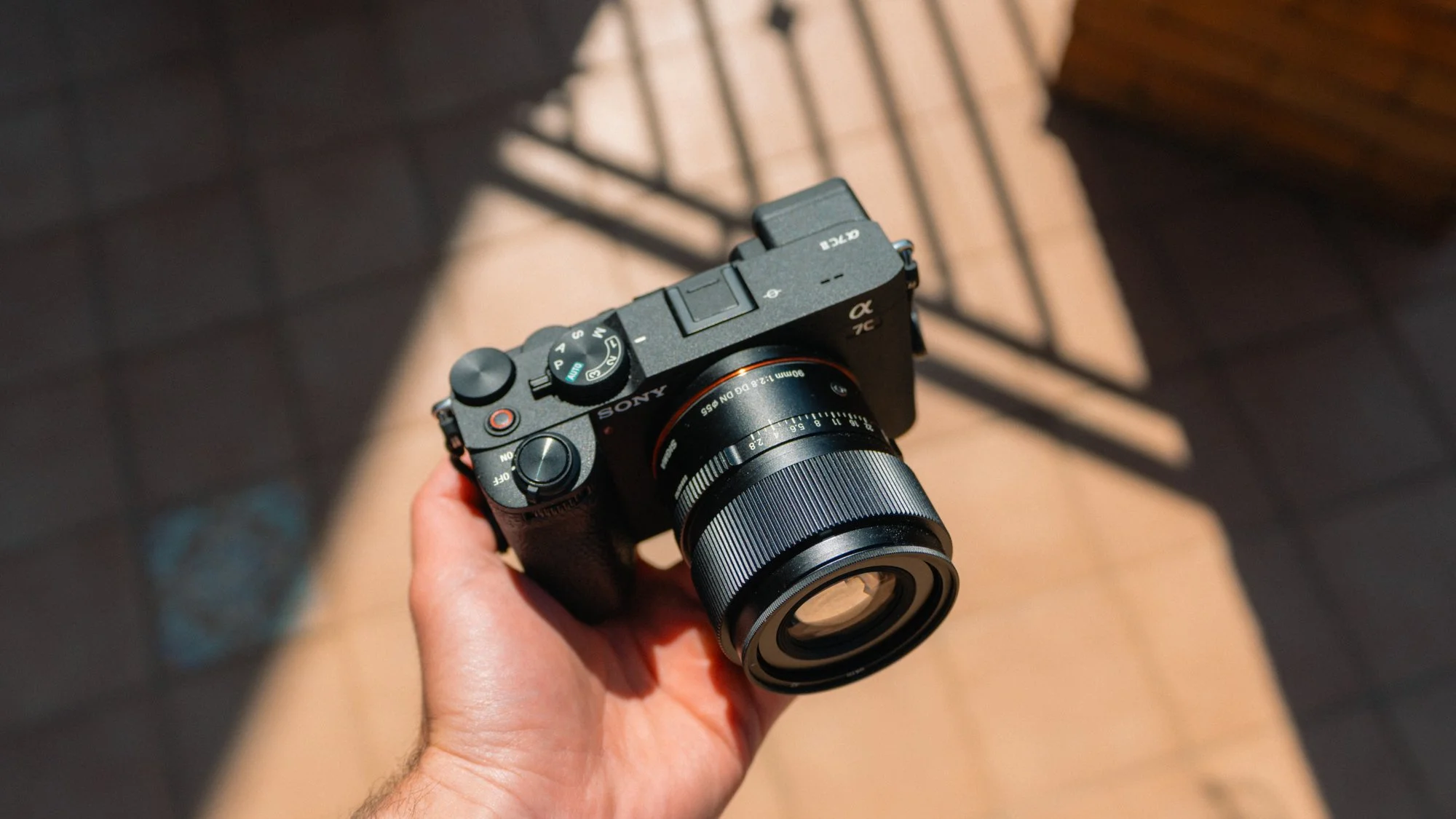
Of course, it’s not perfect. The colours are not the best and need work to get them looking good. Forget JPEGs; you need to learn editing. The cameras scream “I’m a pro photographer”, so expect to be stopped if shooting in more restricted spaces. As mentioned before, the overall experience is one of efficiency and getting the result. While it’s the main selling point, sometimes the process can feel a little detached. The cameras can be a minefield to learn and understand all the features. Lastly, while the size and weight of full-frame systems have been coming down significantly over the last few years, you still, on average, have bigger lenses than the APS-C alternatives. The Sony gets out of your way and does all the work for you, which can be good or bad.
Quick Fire Round
Best Value - Sony / Fuji
Best Beginner - Fuji
Best Aspiring Pro - Sony
Best Image Quality - Leica / Sony (depending on lens)
Best Ergonomics - Fuji / Sony (depending on model)
Best Portability - Fuji
Best Build Quality - Leica
Best Luxury - Leica
Best User Experience - Leica (involvement) / Sony (getting shit done)
Best Customisation - Sony
Best Features - Sony
Best Ecosystem - Sony
Best Photo - Leica / Sony
Best Video - Sony
Best Hybrid - Sony
Best AF - Sony
Best MF - Leica
Summary
Leica - The best image quality, build quality, and user experience. Minimal and aesthetically pleasing design. Simple operation. Involves you in the process.
Fuji - If you don’t want to edit, second best for video, most compact, best value, and suited for beginners / casual users.
Sony - Best ecosystem, best AF, the most features, the best hybrid / video, most customisable, most dependable, and best suited for power users / pros.

Instead of telling you how these will change your life, I would rather be practical and answer the most common questions that people tend to have when buying presets.
What are presets?
They are editing settings that are saved in a file and can be applied to any image.
Why do people buy presets?
Sometimes because they like the work of the photographer and want that style for their own photos. Mostly because they would like to see how other people edit and learn by reverse engineering the presets. Other times it’s just to support their favourite photographers, thank you!
What’s the overall style of these presets?
- Filmic
- Warm
- Soft
- Bright
What are these presets suitable for?
Street & Travel Photography
Some Nature (with further editing)
Some Portraits (with extensive editing)
Do I actually use these?
Yes. This is the same pack I use right now for all my editing. This isn’t a pack made just to sell.
Do these presets get updated?
Yes, as my style changes, these presets will also be updated. Any time a new update is available, you will get a free update via email. Of course you also keep all the old presets in case you prefer the older looks. Only presets purchased from 2025 onwards will receive the updates.
What file types are these presets for?
- All RAW files
- JPEGs & TIFFs (not recommended)
What camera brands are these presets for?
These were designed around Fujifilm, Sony, and Leica sensors. With that said, they will work with all camera brands. While there might be differences due to individual camera colour science, the overall feel of the preset will carry over.
Will these work with JPEG files?
Yes, but you will need to reduce the intensity and make further edits. I strongly recommend editing RAW files.
Are these one click edits?
95% No. You would need to do some basic adjustments as each image is different. These adjustments can include exposure, colour balance etc. In 5% of cases you can just apply and leave it alone.
Do I need to know how to edit?
You need to have a basic understanding of adjusting exposure, highlights, shadows, etc. A more comprehensive editing skillset will let you get the most out of them.
How many presets are included?
10 in the main pack and 24 in the extras pack
Why two packs?
The main pack is what I use for 99% of my edits and is kept small to reduce wasted time scrolling through presets. The extras pack is everything I don’t use often.
What software do I need?
These presets will work with any of the following:
- Photoshop (adobe camera raw)
- Lightroom Classic
- Lightroom Desktop
- Lightroom Mobile
Will these presets work with free versions of the above software?
You need to research and double check before buying. These presets were designed for the full paid versions.
Will these presets work with very old versions of the above software?
You need to research and double check before buying. These presets were designed on and for the latest software.
What file type do I get?
XMP
What else do I get?
- Comprehensive PDF guide
Can I modify these and turn them into my own?
Yes! In fact I encourage you to modify them and play around. Use these to help you get your own style.
I have more questions…. What do I do?
Make a cup of tea and drop me an email on hello@snapsbyfox.com
Please note that due to the nature of digital products, refunds are generally not accepted. However, if you experience any issues, feel free to contact me and I’ll review your situation individually. You are welcome to use this product for personal or commercial projects, but you may not copy, distribute, or resell the files in their original or modified form.
Finally I want to say a massive thank you for supporting me. Buying these presets is the most direct way you can support my work.
Thank you!